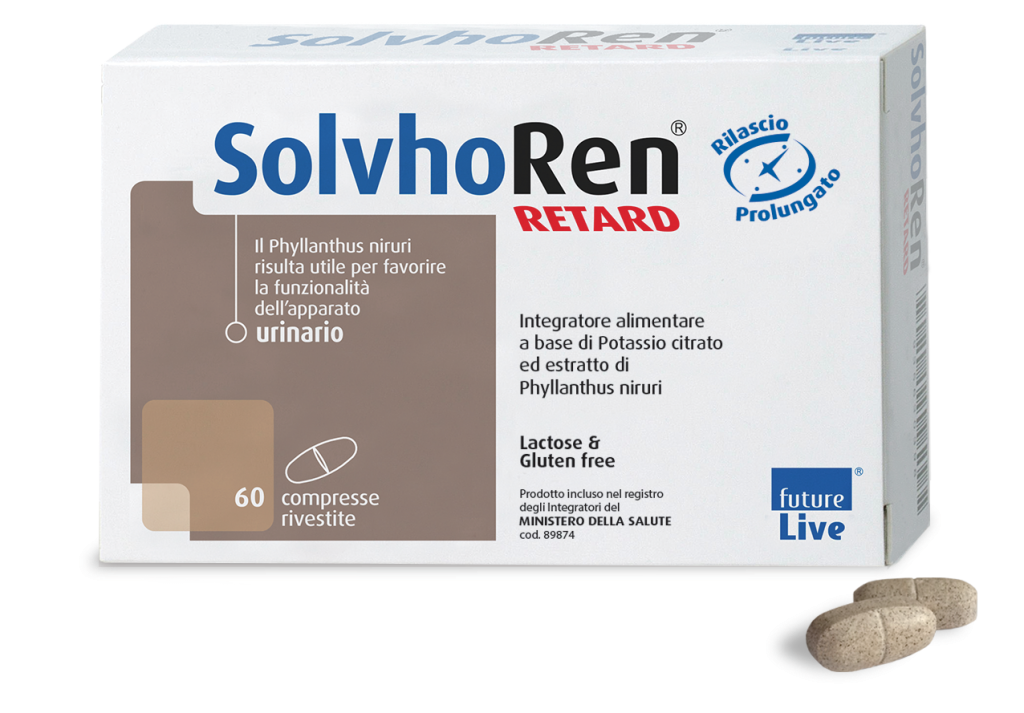


Renal colic is characterized by sudden and violent pain in the lumbar or abdominal region, which may radiate to the inguinal area. Those who experience renal colic suffer pain so intense it is often compared to a “stab wound” and, in most cases, are forced to go to the Emergency Room.
Indice
Renal colic: causes
The formation of stones in the kidney and their passage through the ureter, bladder, and urethra and subsequent elimination with urine may be asymptomatic in cases where the stones are very small.
In the presence of larger stones, as long as they remain in the kidneys, there are no major symptoms (mild backache, twinges, and puncture-like pain).
When the stones descend into the ureter, however, they cause renal colic, which leads directly to the emergency room.
Renal colic: symptoms
Renal colic is characterized by sudden and violent pain, which may be accompanied by several symptoms:
- Severe and persistent pain in the lumbar and abdominal regions, which may also radiate to the inguinal areas.
- Nausea, which can lead to vomiting.
- Restlessness and profuse sweating.
- Urinary frequency or the need to urinate more than usual.
- Dysuria, which is pain during urination.
- Hematuria, which is the presence of blood in the urine, caused by the trauma of the stone passing through the walls of the urinary tract.
If the stone completely obstructs the passage in the ureter, stagnation occurs, leading to a bacterial infection. In this case, further symptoms may occur:
- High fever
- Fatigue and weakness
- Diarrhea
- Chills
- Cloudy and foul-smelling urine
Renal colic: treatment
Therapy for renal colic includes non-steroidal anti-inflammatory drugs (NSAIDs), painkillers, and antispasmodics. Alpha-blockers may be useful to facilitate the expulsion of the stone.
Renal colic: prevention
To prevent renal colic, it is necessary to avoid the formation of kidney stones. It is therefore essential to consume a proper amount of fluids, about two liters of water per day, to maintain abundant diuresis (the amount of urine expelled), good hydration, and diluted urine, so that the concentration of waste products does not lead to the formation of stones.
Furthermore, depending on the nature of the stone that has formed, changes can be made to the diet in consultation with one’s physician. Some foods, in fact, seem to promote the formation of stones.
In general, it is advisable to maintain a healthy weight through a balanced diet and regular physical activity, and to monitor the daily consumption of salt and fatty foods.
To prevent renal colic, supplementation with Phyllanthus niruri can be effective, as this plant is capable of counteracting the formation of stones.
Phyllantus niruri (stonebreaker)
Phyllanthus niruri is a plant native to South America, also known by the Peruvian name “Chanca Piedra,” which means “stone breaker“
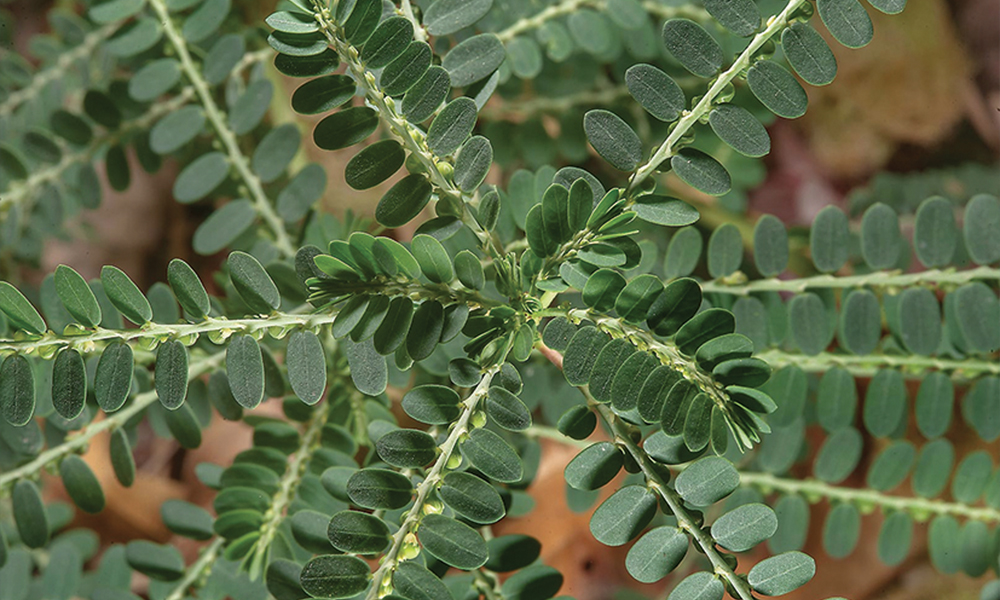
An extract rich in tannins is obtained from the flowers and leaves of this plant, characterized by a significant activity: it is able to counteract lithiasis (the formation and aggregation of kidney stones) by increasing the solubility of alkaline salts and helping to maintain low bacterial levels in the urogenital tract. Furthermore, it promotes the expulsion of the stones themselves and gravel (renal sand), as it exerts a relaxing effect on the smooth muscles of the urogenital tract.
The results of clinical trials have shown that phyllanthus has good therapeutic potential since it is able to change the consistency and structure of the stone making it more friable and thus more easily broken down and eliminated by urine.