



For many people, candidiasis is not an isolated episode, but a disorder that tends to recur over time, with symptoms that improve only temporarily after therapy.
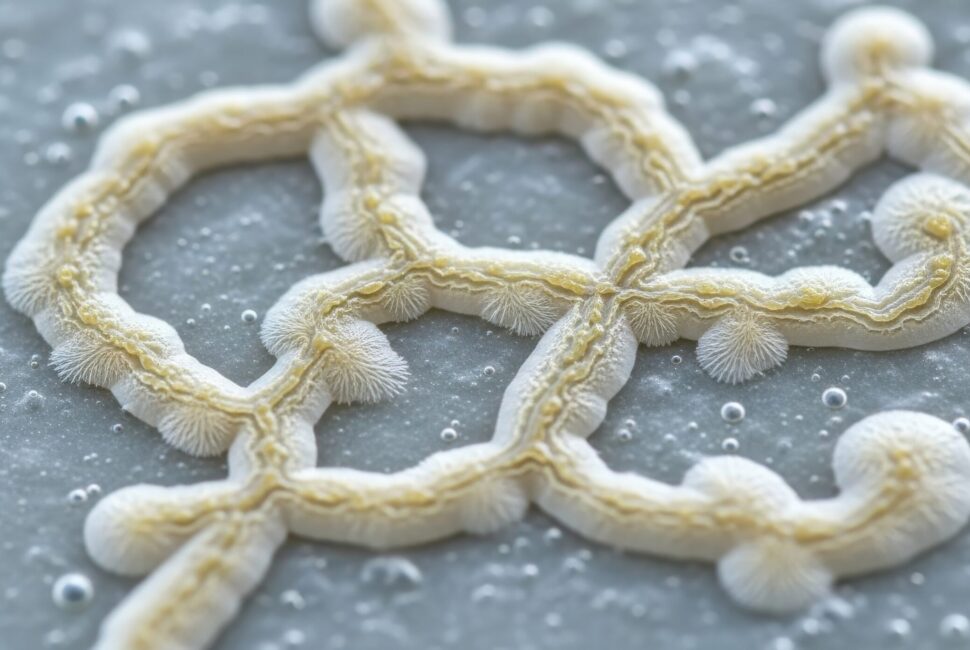
One of the least considered yet fundamental mechanisms to explain these recurrences is the ability of Candida albicans to form biofilms on the mucous membranes.
Indice
Candida albicans and biofilm
Candida albicans is a microorganism normally present in the body, but under certain conditions, it can proliferate and cause infections, especially at the vaginal and intestinal levels.
When Candida forms a biofilm, it no longer appears as isolated cells, but as an organized structure adhering to the mucous membranes. This biofilm represents a true protective barrier.
In particular, Candida biofilm contributes to:
- reducing the effectiveness of antifungal treatments
- protecting the microorganism from the immune response
- promoting the persistence of the infection over time
Why candidiasis recurrences are frequent
The presence of biofilm explains why many people experience repeated episodes of candidiasis, even after therapies that initially seem effective.
Treatment can reduce symptoms and temporarily lower the fungal load, but a portion of Candida remains protected within the biofilm. This leads to the tendency for the infection to reactivate, often without an obvious triggering factor.
Biofilm and chronicization of disorder
When biofilm is involved, candidiasis no longer manifests as an occasional episode, but as a disorder that tends to become chronic.
It is common to observe a pattern characterized by:
- temporary improvement after therapy
- reappearance of symptoms after some time
This pattern is typical of infections sustained by microorganisms capable of organizing themselves into biofilms.
The importance of recognizing biofilm in candidiasis
Understanding the role of biofilm in candidiasis helps make sense of frequent recurrences and incomplete responses to standard treatments.
Taking this mechanism into account allows for a more conscious approach, one that does not focus exclusively on the elimination of Candida, but also considers the structures that favor its survival and persistence over time.