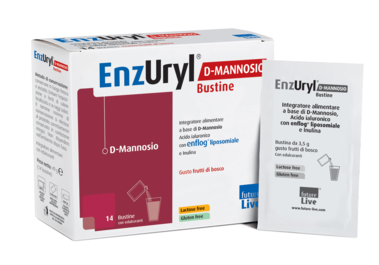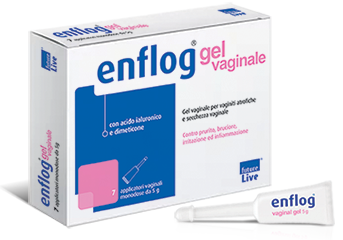

Hyaluronic acid, a molecule widely celebrated in the world of cosmetics and skin care, is not just a passing fad, but also an element of great scientific and clinical interest.
Beyond its topical application, hyaluronic acid is emerging as a protagonist in the medical and nutritional sectors as well, with research exploring its multiple benefits when taken orally, subcutaneously, and intravesically.
What is hyaluronic acid?
Hyaluronic acid is a glycosaminoglycan, a polysaccharide molecule naturally present in the human body, particularly abundant in connective tissues, skin, and joints.
Its most distinctive feature is the ability to retain large amounts of water, making it an essential component for the hydration and elasticity of epithelial tissues.
Furthermore, it plays a fundamental role in joint lubrication and connective tissue health.
Topical application of hyaluronic acid
The most widespread use of hyaluronic acid is in cosmetics and skin care.
When applied topically (via creams or serums), hyaluronic acid acts as a powerful moisturizer, penetrating deep into epithelial tissues and attracting and retaining moisture, thereby reducing the appearance of wrinkles and fine lines and giving the skin a younger and more radiant look.
Topical vaginal application
The application of hyaluronic acid in the vagina, through medical devices such as creams, tablets, or vaginal suppositories, creates a protective barrier for the integrity of the vaginal mucosa.
In addition, thanks to its ability to bind water molecules, it has lubricating activity and restores the natural moisture of the vagina.
Hyaluronic acid taken orally
Recent studies have highlighted that the oral intake of hyaluronic acid could offer additional benefits for skin and joint health.
When ingested, hyaluronic acid can be absorbed by the small intestine and distributed throughout the body, helping to maintain the hydration of epithelial tissues from the inside out.
Action on the bladder mucosa
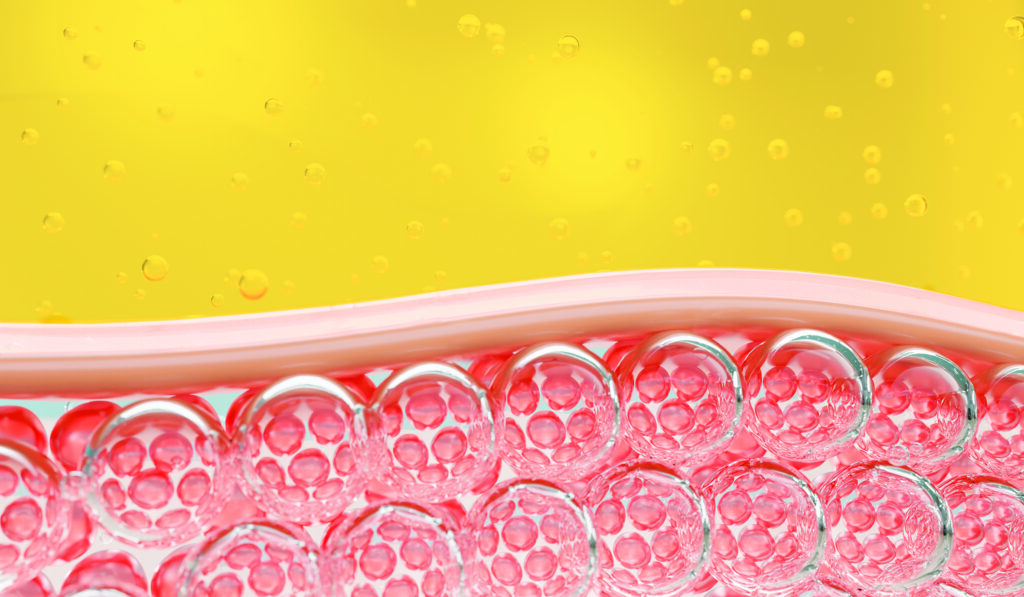
Some studies suggest that orally ingested hyaluronic acid is capable of providing resistance, hydration, and protection to the bladder mucosa starting from its deepest layers.
Strengthening the bladder wall with short-chain hyaluronic acid is useful for increasing its resistance to the adhesion of bacteria that cause cystitis.