



PEA is a physiological substance normally produced by many cells of our organism. In particular, it is found in very high concentrations in brain tissues and is synthesized starting from the lipid components of cell membranes. It is normally present in many of the foods we eat every day such as eggs, peas, tomatoes, and soy.
As an active ingredient, it was identified in 1957, and the Nobel Prize winner Rita Levi Montalcini interpreted its mechanism of action in 1993.
THE ROLE OF PEA
At the organism level, PEA is therefore an endogenous factor that is produced as needed and functions as a biological modulator of various types of chronic pain linked to the activation of inflammatory and painful processes in particular cells of the organism.
In particular, PEA limits the release of pro-inflammatory and pain mediators by blocking the degranulation of mast cells and the activation of microglia cells at the level of the spinal cord, and this makes it extremely effective in containing chronic pain in various pathologies shared by the presence of an inflammatory state.

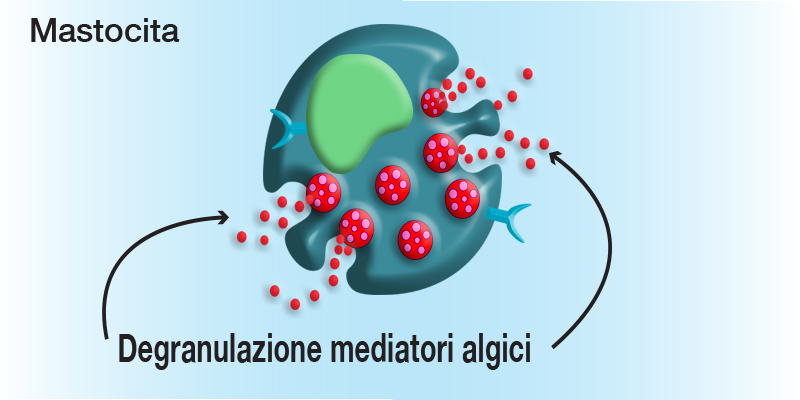
Numerous studies have demonstrated that PEA acts independently of the cause of pain and is capable of normalizing the physiological activity of the involved tissue.
THE TOLERABILITY OF PEA
In view of the fact that PEA is an endogenous modulator, that is, a substance normally produced by our organism, no side effects or interactions with other drugs have been reported, thus making it an effective remedy for the treatment of numerous pathologies associated with chronic pain which, as a rule, responds poorly to standard pharmacological therapies.
EXOGENOUS PEA
The exogenous administration of PEA therefore allows for the reintegration of the correct physiological reserves of this substance, which can be altered or reduced by particular situations of the organism.
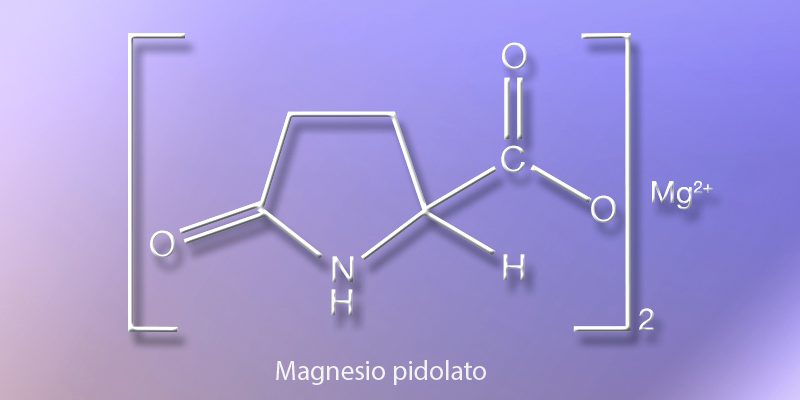
PEA AND MAGNESIUM
The combination of PEA and magnesium pidolate, a particular organic salt of this element characterized by optimal bioavailability that enhances its physiological properties at the muscular and nervous levels, can be particularly useful as an adjuvant during chronic pelvic painful situations sustained by visceral hyperreactivity.