




Malabsorption syndrome is a medical condition in which the intestinal mucosa is unable to adequately absorb essential nutrients from food.
Malabsorption can involve both macronutrients, such as proteins, carbohydrates, and fats, and micronutrients, such as vitamins and minerals.
The consequences of this condition may include chronic diarrhea, weight loss, nutritional deficiencies, and gastrointestinal disorders.
Indice
Symptoms of malabsorption syndrome
The symptoms associated with malabsorption syndrome may vary depending on the underlying problem and the specific nutritional deficiency that results.
These symptoms arise both from the accumulation of unabsorbed nutrients in the digestive tract and from the nutritional deficiencies caused by insufficient absorption.
The most common symptoms are:
- Chronic diarrhea: chronic diarrhea is one of the main symptoms of malabsorption syndrome. Stools may contain undigested fats, giving them a foul odor. They are often pale, bulky, and greasy.
- Weight loss: malabsorption of nutrients can lead to significant weight loss despite adequate food intake. In children, this condition may cause growth impairment.
Symptoms can vary greatly depending on the specific nutritional deficiencies and the nutrients that are not absorbed. Iron deficiency is a significant example of how this condition can affect health.
If malabsorption syndrome involves iron, iron deficiency anemia may develop. This condition is characterized by a decrease in hemoglobin levels in the blood, which is responsible for transporting oxygen to body tissues.
Iron deficiency can lead to symptoms such as fatigue, tiredness, and weakness.
Causes of malabsorption syndrome
Malabsorption syndrome can have several origins, including:
- Gastrointestinal diseases: conditions such as celiac disease, inflammatory bowel diseases, and enzymatic deficiencies of the intestinal mucosa can impair proper nutrient absorption.
- Diseases outside the intestine: problems affecting organs such as the pancreas, liver, or biliary tract can influence nutrient absorption. Tumors involving the digestive system may also contribute to this syndrome.
- Post-surgical complications: previous surgeries or medical procedures may lead to malabsorption issues.
- Digestive tract infections: certain gastrointestinal infections can temporarily impair the digestive tract’s ability to absorb nutrients.
Other possible causes of malabsorption include:
- Imbalance of intestinal bacterial flora (dysbiosis): alterations in the composition of gut microbiota may interfere with the absorption process.
- Lactose intolerance: the inability to digest lactose, a sugar found in dairy products, may cause malabsorption in intolerant individuals.
- Medications: some drugs, such as laxatives, can negatively affect nutrient absorption.
- Alcohol abuse: excessive alcohol consumption can damage the intestinal mucosa and hinder nutrient absorption.
Diagnosis
Identifying malabsorption syndrome can often be challenging, as early symptoms such as diarrhea may be nonspecific and easily confused with other conditions. This delay in diagnosis may result in a late start of treatment.
The physician begins the diagnostic process by suspecting malabsorption syndrome in individuals presenting symptoms such as chronic diarrhea, weight loss, anemia, or clear signs of nutritional deficiencies. To reach an accurate diagnosis, the physician collects a detailed medical history of both the patient and their family and performs a complete physical examination.
If the underlying cause of the symptoms is not immediately evident, the physician may prescribe initial tests. These include blood and stool analyses. Blood tests can reveal specific deficiencies, such as lactose or vitamin B12 deficiency, as well as highlight the possible presence of anemia, alterations in liver and pancreatic enzymes, or abnormal antibodies. These initial investigations help guide further diagnostic evaluation and determine the underlying cause of malabsorption syndrome.
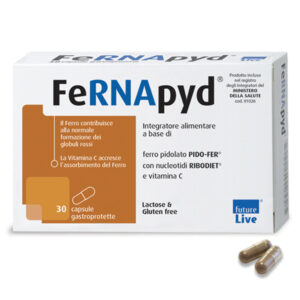
FeRNApyd 30 gastro-resistant capsules
Dietary supplement based on iron pidolate (PIDO-FER®)
Contains nucleotides (RIBODIET®) and Vitamin C to ensure high iron absorption.
Treatment
The management of malabsorption syndrome aims to address both the underlying cause of the condition, which leads to malabsorption, and the resulting nutritional deficiencies, as well as to relieve associated symptoms.
The general goals of therapy include:
- control of diarrhea and other gastrointestinal disorders
- correction of nutritional deficiencies
- identification and treatment of the disease responsible for malabsorption
Treatment varies significantly depending on the underlying causes of malabsorption. In some cases, it may be necessary to use specific dietary supplements or vitamin supplements to correct nutritional deficiencies. In addition, targeted dietary strategies are often adopted, such as gluten-free or lactose-free diets, to avoid or replace the nutrients responsible for intolerance.
After the diagnosis of malabsorption syndrome, a nutritional treatment plan begins, aimed at adequately restoring missing nutrients in the body through the use of dietary supplements, thereby improving the patient’s overall health.