



Many people share the same experience: an infection is treated correctly, symptoms improve or disappear, but after weeks or months, the disorder recurs.
In these cases, it is easy to think that the antibiotic was not suitable or that the problem is a particular weakness of the immune system. In reality, the explanation is often more complex and concerns the survival mechanisms of bacteria.
Indice
What is antibiotic resistance
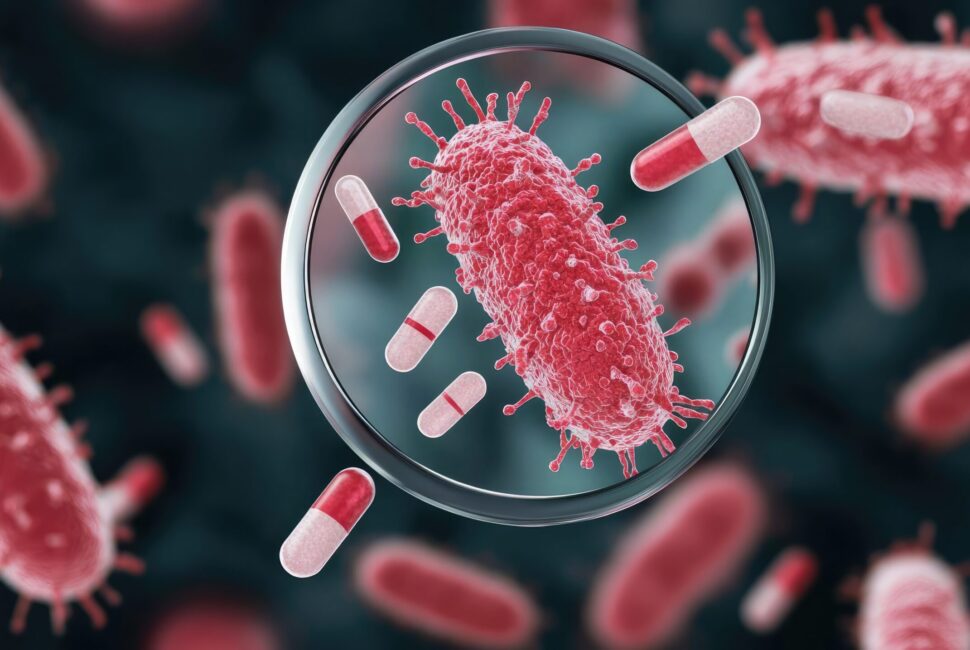
Antibiotic resistance is the ability of some bacteria to survive the action of drugs designed to eliminate them. This phenomenon may be present from the start or develop over time, especially following repeated exposure to antibiotics.
When a bacterium becomes resistant, the antibiotic loses its effectiveness and the infection can become more difficult to treat.
Why resistance is a growing problem
In recent years, antibiotic resistance has become one of the main challenges for public health. Increasingly, infections are observed that respond only partially to therapies or that require repeated treatments.
This does not mean that antibiotics no longer work, but that bacteria have developed strategies to defend themselves and survive.
When the antibiotic is not enough
In many situations, the antibiotic succeeds in eliminating free bacteria, which are responsible for acute symptoms. However, a portion of the microorganisms can evade therapy and remain in the body.
This explains why symptoms may improve initially, but the infection tends to recur over time.
The hidden role of biofilm
One of the main reasons why some infections do not truly heal is the formation of biofilm.
Biofilm is a protective structure that some bacteria produce to defend themselves. Within this matrix, microorganisms are much less accessible to both antibiotics and the immune system’s response.
When biofilm is involved, the infection can become persistent or recurrent, even in the presence of correct therapies.
Recurring infections and quality of life
Infections that return over time are not just a clinical problem; they deeply impact quality of life. Repeated episodes of cystitis, urinary disorders, candidiasis, or other chronic infections can generate frustration, stress, and a sense of helplessness.
Understanding that a specific biological mechanism may underlie these conditions is the first step toward addressing them more consciously.
Looking beyond the acute infection
Today, scientific research suggests the importance of going beyond the management of a single infectious episode and considering the mechanisms that allow bacteria to persist in the body.
Among these, biofilm represents one of the key elements.
To learn more, read the article: