

Indice
What is the prostate?
The prostate is a small, rounded organ with the shape and size of a chestnut that is part of the male reproductive system. It is positioned in the pelvis, just below the bladder and in front of the rectum, and it surrounds the upper section of the urethra.
Its main function is to produce and emit seminal fluid, one of the components of sperm, which contains the elements necessary to nourish and transport spermatozoa.
Benign prostatic hypertrophy
Due to its anatomical position and the functions in which it is involved, the prostate strongly influences urination. For reasons essentially related to the aging of the organism, as age advances, generally after 50, the prostate tends to progressively increase in size, eventually compressing the bladder and partially obstructing the section of the urethra that passes through it. In these cases, we speak of Benign Prostatic Hypertrophy, a disease that consists precisely of the non-tumorous enlargement of this gland and which can affect 50% of male subjects over 60 years old.
Enlargement of the prostate: causes and symptoms
The cause of this disorder seems to be predominantly hormonal in nature: during male aging, a hormonal imbalance between male hormones (androgens) and female hormones (estrogens) supposedly occurs. In particular, it has been demonstrated that Dihydrotestosterone, synthesized in the prostate starting from circulating testosterone, stimulates the excessive proliferation of prostatic cells.
The enlargement of the prostate, by squeezing the urethra and compressing the bladder, can cause over time urinary problems characterized by two main types of symptoms:
- obstructive (difficulty starting urination, weak urinary flow)
- irritative (increased frequency in urinating especially at night, burning sensation when urinating)
Benign prostatic hypertrophy: The therapy
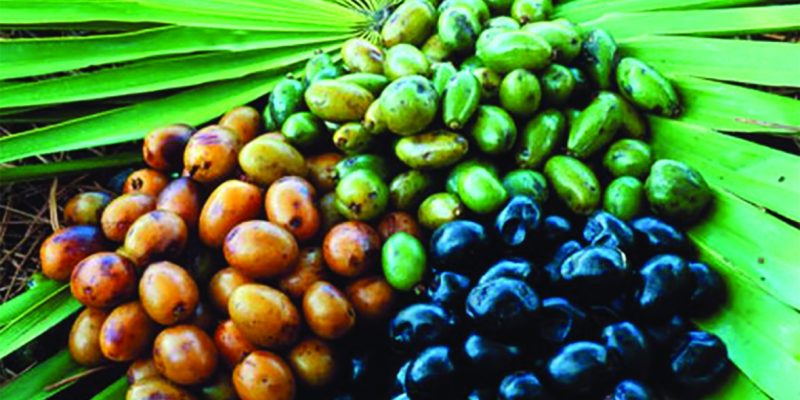
Numerous pharmacological active ingredients are available that are capable of improving the symptoms of benign prostatic hypertrophy which, however, can sometimes cause some unpleasant side effects.
For this reason, a phytotherapeutic extract obtained from the berries of a dwarf palm, SERENOA REPENS, is still widely used in therapy: these dark-colored berries are rich in free fatty acids and sterols. These active ingredients of Serenoa repens possess an important action capable of antagonizing androgens and in particular testosterone, limiting the enlargement of the prostate.
Recently, specific anti-inflammatory effects on the prostate by Serenoa repens have been highlighted, which can make it particularly useful also for various forms of prostatitis in younger subjects.
This activity is combined with extremely modest side effects of a gastric nature, which can be totally avoided by taking Serenoa repens on a full stomach.