



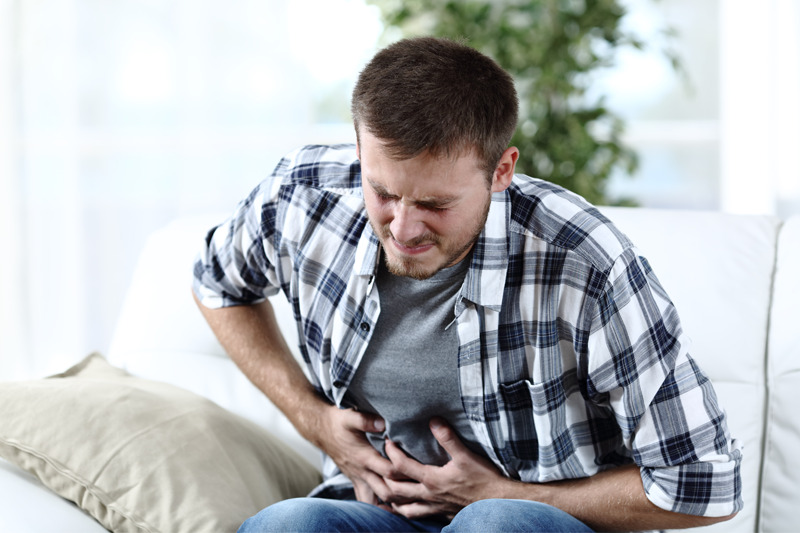
Irritable Bowel Syndrome or IBS is a chronic intestinal condition, often highly debilitating, whose causes are not yet clear, not associated with organic or inflammatory alterations.
IBS is considered one of the most widespread intestinal pathologies as it has a worldwide incidence of between 10 and 20% of the population. In particular, the disease seems to affect women more, the age group involved is between 20 and 50 years old, with a peak in subjects between 20 and 30 years old.
Indice
Diagnosis of IBS
The diagnosis of Irritable Bowel Syndrome (IBS) often arrives late compared to the onset of the disease, mainly due to the clinical overlap of symptoms with other pathologies and the lack of a defined cause.
To diagnose IBS, the process begins with a medical visit and a thorough anamnesis to evaluate the patient’s state and the symptoms reported by them. Subsequently, a series of laboratory tests and instrumental examinations are carried out. In the diagnostic phase, it is of fundamental importance to exclude other intestinal pathologies, such as inflammatory, infectious, metabolic or tumor-related ones, through a procedure known as differential or exclusion diagnosis.
The gastroenterologist uses the classification system known as “Rome IV Criteria” to evaluate and classify IBS symptoms and reach a precise diagnosis. This diagnostic process is essential to ensure appropriate treatment and differentiate IBS from other conditions with similar symptoms.
Symptoms of Irritable Bowel Syndrome
The symptoms associated with irritable bowel syndrome (IBS) often show a notable overlap with those of Inflammatory Bowel Diseases (IBD). However, it is important to note that, at the level of the intestinal mucosa, ulcerations and other inflammatory lesions typical of Crohn’s Disease or Ulcerative Colitis are absent.
Patients suffering from IBS generally report the following symptoms:
- Abdominal Pain and Bloating: These symptoms are common and often occur simultaneously. The pain can vary from mild to severe and is often associated with a feeling of bloating in the abdomen.
- Frequent Diarrhea or Prolonged Constipation: Patients with IBS may experience recurrent episodes of diarrhea or periods of prolonged constipation. In some cases, these symptoms may alternate, causing significant discomfort.
- Relief After Defecation: A distinctive trait of IBS is the relief of symptoms after defecation. This can lead to a temporary feeling of comfort after evacuating.
- Change in Bowel Movement Frequency and/or Stool Consistency: Patients with IBS may notice variations in the frequency of evacuations and the consistency of stools. This can involve stools of different shapes, from liquid to hard, and a variation in the frequency of bathroom visits.
Causes
Irritable Bowel Syndrome (IBS) is a complex and multifactorial condition, whose causal framework involves a variety of elements. Historically, it has been noted that the psychosomatic component plays a significant role in its manifestation.
Although there is no single and well-defined cause for IBS, it is recognized that this condition is the result of a complex interaction between different pathophysiological, emotional, social and dietary factors. Here are some of the components involved:
- Psychosocial and Emotional Factors: Stress, anxiety and depression can influence the onset and severity of IBS symptoms. The intestinal nervous system is intimately connected to the brain, and this link can lead to intestinal hyperactivity in response to situations of stress or emotional tension.
- Dietary Factors: Certain foods and drinks can trigger or worsen IBS symptoms. For example, spicy foods, dairy products, high-fat foods or carbonated drinks can cause intestinal discomfort. Some individuals with IBS may also have specific food sensitivities.
- Physiological Alterations: Changes in intestinal motility, the balance of chemicals in the gastrointestinal tract and the perception of pain can contribute to IBS symptoms. The intestine can be more sensitive to certain stimuli, such as gas or distension.
- Hormonal Factors: Hormonal fluctuations, particularly in hormones related to the menstrual cycle in women, can influence IBS. Some women notice a worsening of symptoms during the menstrual period.
Types of IBS
Irritable Bowel Syndrome (IBS) is a complex condition that can manifest in different types or subtypes, each characterized by particular symptoms.
Based on the alterations of the bowel habits, the ROME IV criteria classify 4 types of Irritable Bowel Syndrome:
- With constipation (IBS-C): patients may have difficulty evacuating and may experience hard and lumpy stools
- With diarrhea (IBS-D): patients may have liquid or watery stools, often accompanied by a strong urgency to evacuate
- Mixed (IBS-M): patients experience both diarrhea and constipation, but without a clear predominance of either symptom
- Unclassifiable (IBS-U): patients meeting the diagnostic criteria for irritable bowel syndrome but whose habits do not fall into one of the other three groups. Patients may experience a variety of gastrointestinal symptoms, including abdominal pain, bloating and variations in the frequency of evacuations.
Remedies for Irritable Bowel Syndrome
In case of IBS with constipation, the prescription of possible laxatives is evaluated.
Conversely, for IBS with diarrhea, the drugs of choice are antidiarrheals.
The patient with IBS-M, with alternating periods of constipation and diarrhea, will be educated on therapy management according to the phase in progress, stool consistency and clinical response.
If classic drugs do not work, the doctor evaluates the prescription of second-choice drugs, namely tricyclic antidepressants.
Finally, antispasmodics and painkillers are to be recommended as needed.
In particular, a recent study has shown how taking a physiological active ingredient, Palmitoylethanolamide (PEA), is able to significantly reduce the abdominal pain component in patients with Irritable Bowel Syndrome.
To find out more, reading the article is recommended: PEA, physiological remedy for Irritable Bowel Syndrome.

Pealgyl Sachets
Supplement based on PEA (Palmitoylethanolamide) and PidoMagnesium® (magnesium pidolate) with a pleasant citrus taste. Supplementation with PEA can be particularly useful in the presence of chronic painful situations.
The diet for IBS
In all subjects, pharmacological therapy must be associated with healthy lifestyle and eating habits. In general, regular physical activity suited to the subject, moments of relaxation and a complete, varied and balanced diet are suggested.
For patients suffering from irritable bowel syndrome (IBS), it is advisable to limit or avoid foods that can trigger or worsen gastrointestinal symptoms.
The dietary precautions and advice to follow in the presence of an irritable bowel are:
- Drinking at least 1 and a half liters of fluids per day, preferably water, is essential to maintain hydration and promote correct functioning of the intestine
- Limit or avoid drinks or infusions containing caffeine, which can contribute to irritating the intestine.
- Limit or avoid the consumption of alcohol and carbonated drinks
- Pay attention to foods with a high fiber content: avoid insoluble fibers such as bran, wholemeal flour and brown rice, which can further irritate the intestine.